Advent Search – Christmas Advent Calendar & Treasure Hunt

About the Website & Theme Inspiration
The inspiration for Advent Search.
For now, this website usage is available only through an organization, association, church, or bookstore. For questions, reach out to us at: [email protected]
search a list of partnering organizations (here) in your area, or click on Organizational Inquiries (here) or in the Top Menu.
Saint Damien de Veuster
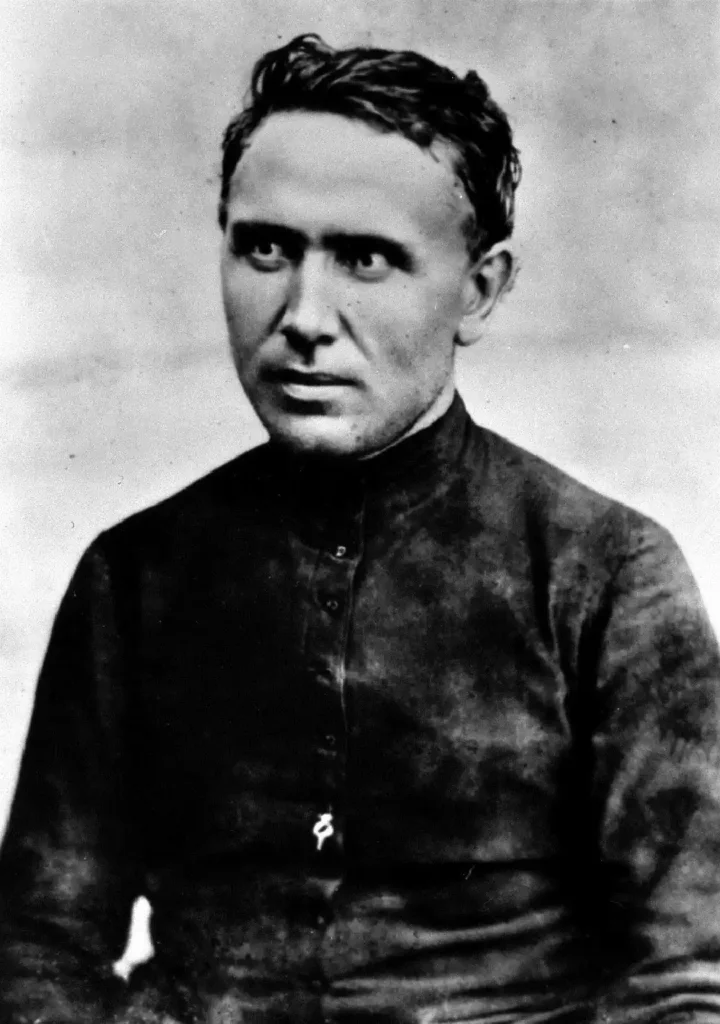
Image 1 – Father Damien in 1878
Image 1
Father Damien in 1878
It is important to preface this account of Saint Damien de Veuster’s life with an explanation of what motivates a person, such as St. Damien, to sacrifice for others with gratitude to the Creator.
Much of the drive behind the direction of his life and the inspiration of this website is the result of confronting the incomprehensible – an immense universe that started as a chaotic explosion formed into order by a majestic powerful Father God, a Savior Son who gave His Earthly life for us, and a Holy Spirit that we can invite to dwell within us.
Consider the care, precision, design, maintenance, and love that went into God’s creation, from the smallest of particle matter to the immense cosmic bodies moving in a balanced dance in an immeasurable expanse of space. Or ponder the molecular protein machines in a living cell inside God’s greatest creation – a human.
Out of all of this miraculous creation is the design of many living humans with consciousness, emotions, spirits, souls, and with the ability to participate in a very small way, continuing God’s miraculous work as stewards to form order out of chaos. Our greatest challenge in human history has been learning from our Creator how to put ourselves in order.
God loves us. That is why He gave us everything we see, but He also gave us free will. We can only love someone we choose to love – that is free will. God didn’t create automatons who disingenuously love each other and God. We make the choice to love. That choice is by our volition alone.
Free will is also why putting ourselves in order is a challenge. Clearly, love has much to do with social order, but so does freedom and a balance between human authority and self-governance, ideally with God’s Natural Law and The 10 Commandments guiding humanity toward peace and harmony.
One remarkable man that was able to humbly take on the task of creating order in the lives of the less fortunate Hansen’s Disease patients on Molokai, Hawaii was Saint Damien de Veuster. This website is dedicated to his service to God and the patients of Kalaupapa on the island of Molokai, Hawaii.
Jozef de Veuster was born into a farm family in rural Belgium on January 3, 1840, the youngest of seven children. When he was old enough, he joined the same Catholic religious order as did Jozef’s older brother, the Congregation of the Sacred Hearts of Jesus and Mary. He took the name of a sixth century martyr. Jozef then became known as Damien. In 1864 Damien’s brother was assigned by the Church to a mission in Hawaii, but became sick.
Damien was able to convince his superiors to send him in his brother’s place.
Image 2
Hawaii Island Aina (Land)
In March of 1864 he arrived in Honolulu, Island of Oahu. In May of that year he was ordained a priest on the Island of Hawaii, where he spent the next 9 years traveling the rugged 500 square miles of the Puna parish district on horseback and mule, navigating around an active volcano and often taking a month’s time per round trip to visit all parishes.
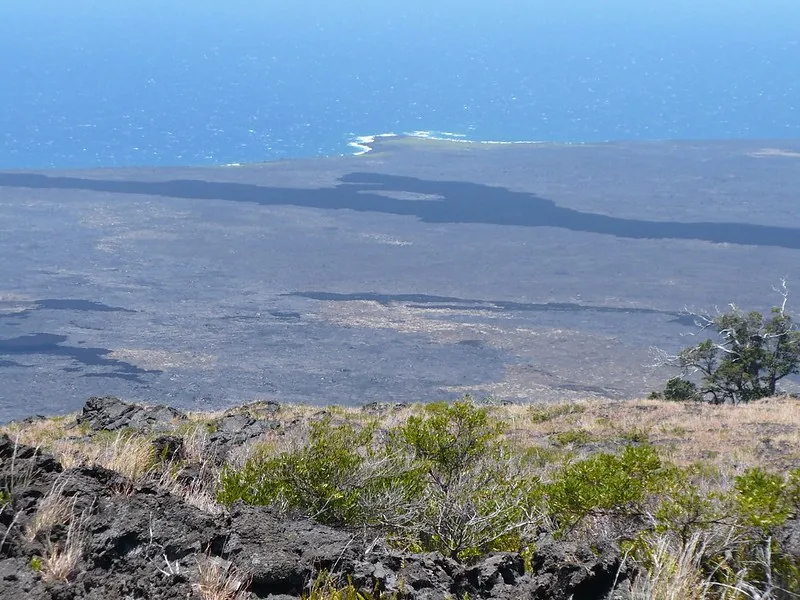
Image 2 – Hawaii Island Aina (Land)
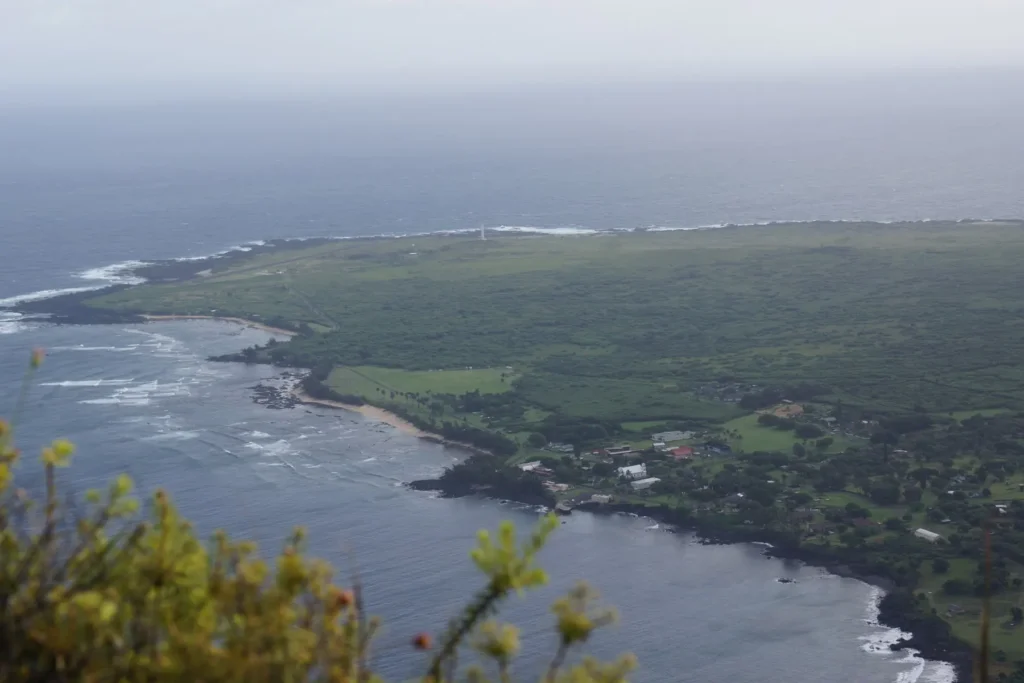
Image 3 – Kalaupapa Coast
Image 3
Kalaupapa Coast
Two years after Father Damien’s arrival in the Hawaiian Islands, the Kingdom of Hawaii began a quarantine program for Hansen’s Disease patients and established a leper colony on the isolated Kalaupapa peninsula on the Island of Molokai. Until he first stepped on the Kalaupapa peninsula in 1873, the patients suffering from a devastating disease and separation from family were neglected medically, spiritually, and by the Hawaiian Kingdom’s health system. Therefore the lack of social order, hope, and care left a vacuum for immorality, lawlessness, alcoholism, and poorly maintained huts and infrastructure.
Image 4
Saint Philomena Church
Once on Kalaupapa he went right to work leading and organizing the community under a Christian moral governing order. He cared for the sick, bathed patients, dressed their sores, consoled the dying, built coffins by hand, and buried those who died. Father Damien did not work alone, but delegated work to able-bodied patients and other laborers to build more substantial living quarters for the residents.
Finding building materials and negotiating with church and Kingdom authorities for supplies always centered around Fr. Damien’s organization skills, which were sometimes brash, but effective. He brought water from deep inside a Molokai valley out to the Kalaupapa peninsula by chiding the Board of Health for pipe, which he laid himself.
Among his many carpentry projects, a major addition to the Saint Philomena Church is still standing as a legacy to his dedication to the people under his care, his purpose for order, and his skill and industry. All of this was in addition to his duties to lead his parish in matters of the heart and soul.
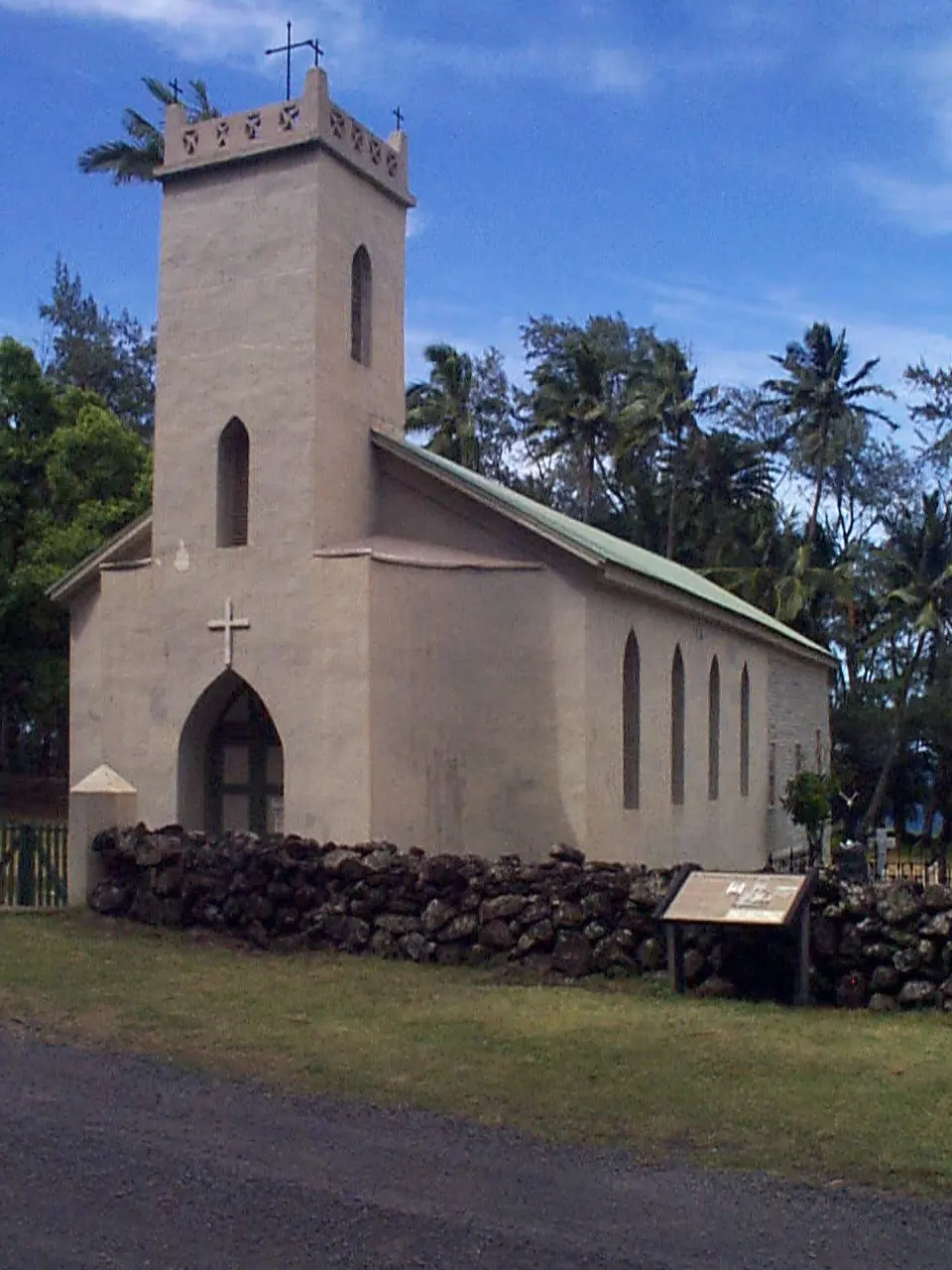
Image 4 – Saint Philomena Church
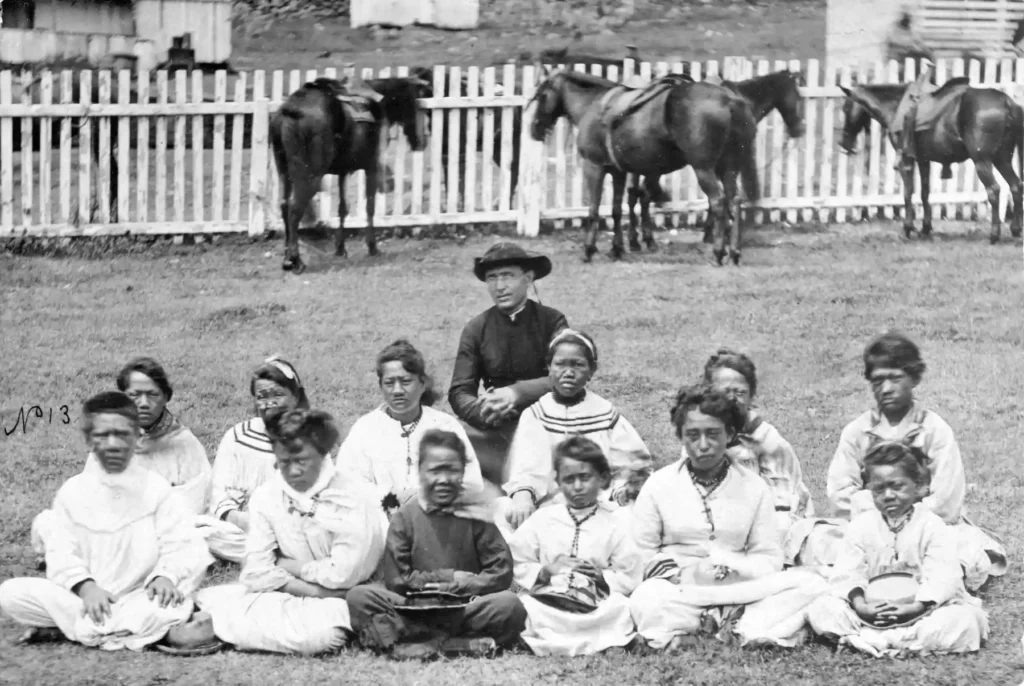
Image 5 – Father Damien with the Kalawao Girls Choir
Image 5
Father Damien with the Kalawao Girls Choir
Fr. Damien became attached to the way of life, the work, the devotion and prayer, the people of the colony, and the beauty and culture of the region. He therefore asked his superiors to let him stay on Kalaupapa permanently, rather than being rotated out, as is the tradition for Catholic priests. His wish was granted, probably because the Church and Kingdom officials were impressed with the progress and efficiency with which he had transformed the community.
Image 6
Father Damien, Photograph by William Brigham
Although leprosy was not nearly as transmissible as assumed to require quarantine, given proper hygienic measures, in hindsight it became apparent that only 5% of the population was susceptible. It was not until 1885, many years in close contact with Hansen’s patients, that Fr. Damien discovered he had become a patient himself. Yet he continued at a feverish pace hoping to complete the many building, community, and faith projects. As he slowed down, other volunteers and Church clergy took over the many tasks he had done, sometimes alone.
In accounts of Fr. Damien’s activities and life with the patients before contracting the disease is testimony to his desire to be a kamaaina, a native born or a long-time resident of Hawaii. He was known to share meals and poi with the inflicted. To counter the smell of rotting flesh he would smoke a pipe, but then pass it around for all others to enjoy, just as the poi bowl was passed around. Unfortunately, for those reasons, he was less concerned about hygiene.
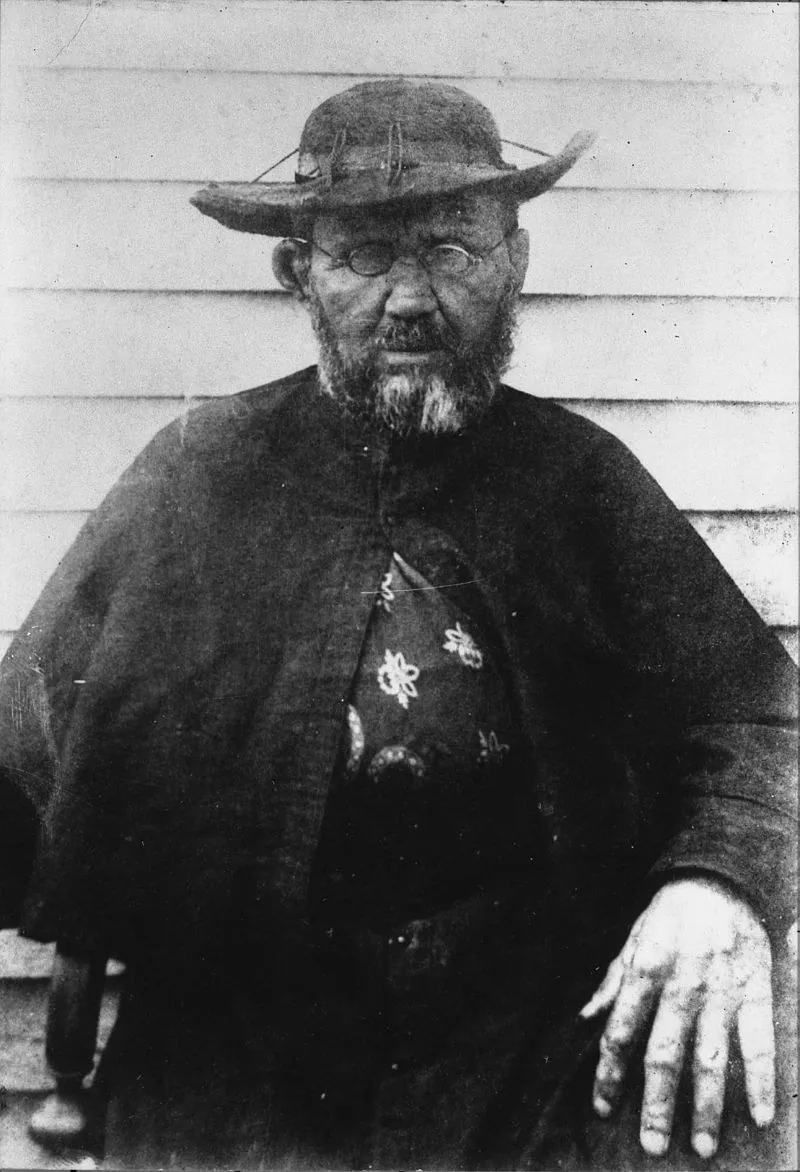
Image 6 – Father Damien, photograph by William Brigham
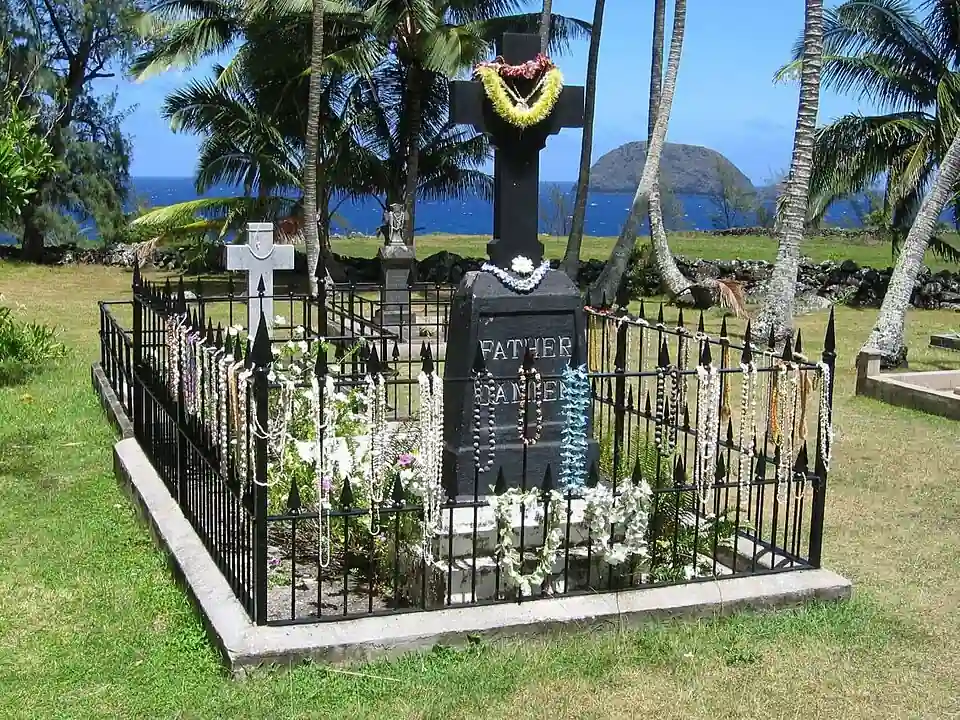
Image 7 – Father Damien’s temporary grave on Kalaupapa
Image 7
Father Damien's Temporary Grave on Kalaupapa
On April 15, 1889 Fr. Damien’s soul left the paradise of Molokai, that had once been closer to Hell than to the slice of Heaven he built, for his resting place in Eternity. His body was buried next to the St. Philomena Church under the pandanus tree that sheltered him at night when he first arrived on Kalaupapa.
Images 8 & 9
St. Anthony's Chapel - Gravesite of Fr. Damien & Crypt (below) Today in Leuven, Belgium
In January of 1936 Belgium requested the return of their notable well-known priest’s body to his home country. His body was exhumed from its spot under the pandanus tree and is now enshrined at St. Anthony’s Chapel, Leuven, Belgium. To this day he is deeply revered, especially by the people of Hawaii, Christians, non-Christians, and the world over, so that after his beatification in June 1995 by Pope John Paul II, the relic of his right hand was re-interred to his grave by St. Philomena Church. So very appropriate for a man who built great things with his hands.
Father Damien de Veuster was declared a saint by Pope Benedict XVI on October 11, 2009.
As stated before, this website is dedicated to Saint Damien de Veuster, but also all people of industry and entrepreneurship who are driven to create order out of chaos and further prosperity as a moral imperative.
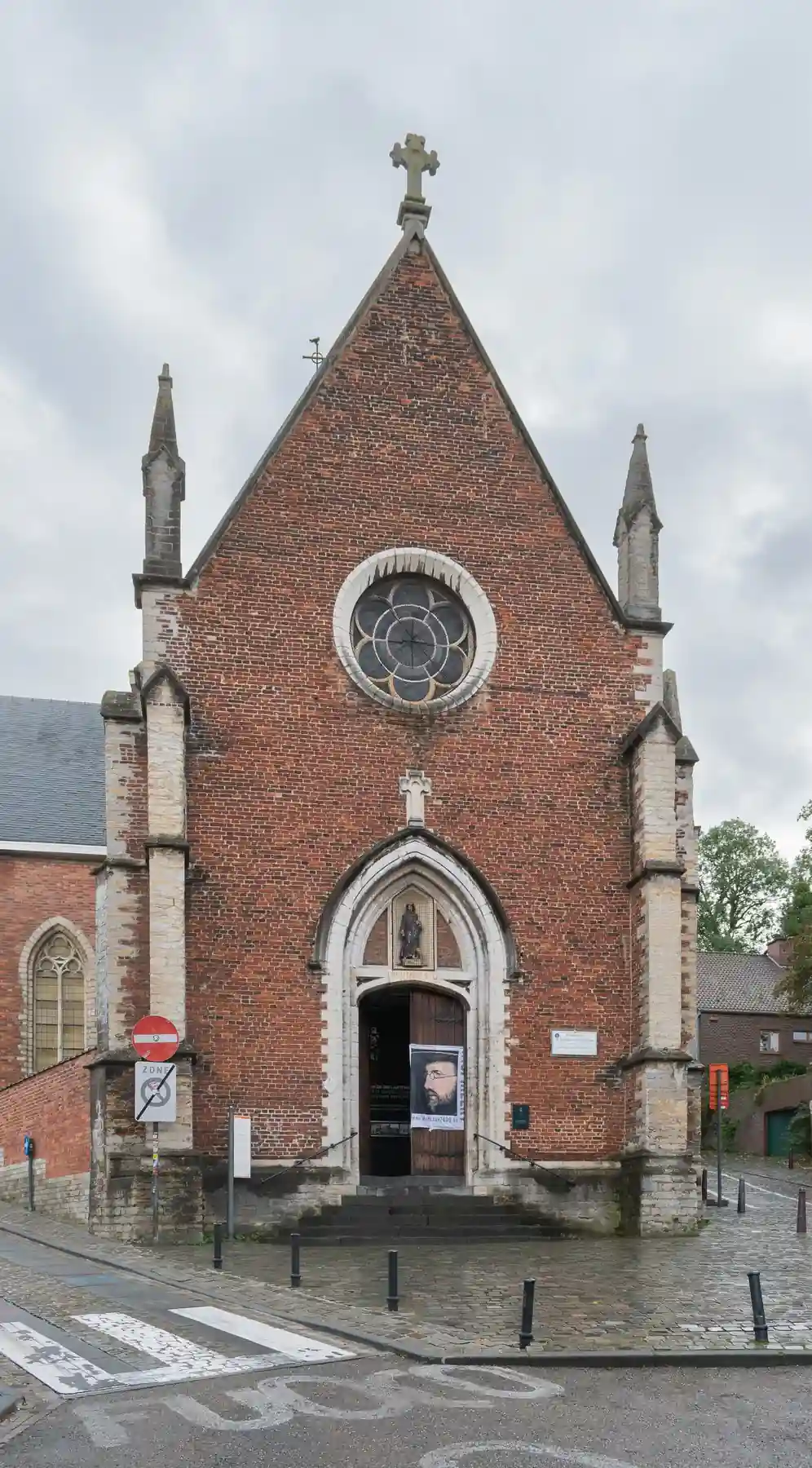
Image 8 – St. Anthony’s Chapel, Leuven, Belgium
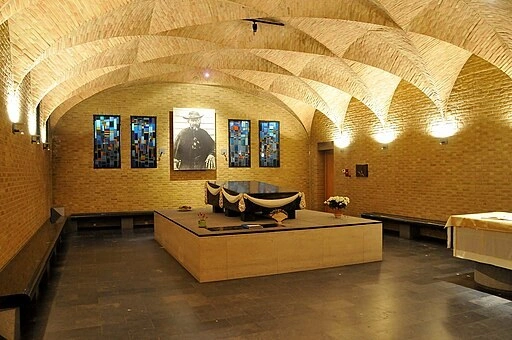
Image 9 – Fr. Damien’s Crypt in St. Anthony’s Chapel, Leuven, Belgium
The Creator, Men, Nature, & Natural Law
Nature, and the nature of men, need constant tending and stewardship, but the balance of discipline, skill, governance, merit, leisure, and rest are best managed through local means, self-governing, and subsidiarity wherever and whenever possible. When central planning is unavoidable, it is essential that the leadership is ruled by the consent of the governed and, most importantly, obedient to the will of the Creator, or as Aristotle and St. Thomas Aquinas would say, Natural Law. May it be so.
Research & Attribution
The prior information was gathered from:
- Yesterday at Kalaupapa by Emmett CahillPublished by Editions Limited, Fourth Printing 2007.
- Catholic Onlinehttps://www.catholic.org/saints/saint.php?saint_id=2817
- Hawaii Catholic Heraldhttps://hawaiicatholicherald.com/2018/06/13/st-damiens-first-assignment-the-district-close-to-the-big-volcano/
- Saint Damien of Molokai Catholic Church & Parisheshttps://damienchurchmolokai.org/wp/
- Diocese of Honoluluhttps://www.catholichawaii.org/catholic-essentials/saints-traveling-relics/history-of-hawaiis-saints/saint-damien
Attribution due to all remaining information in the links in the body of this article and in the website overall are, of course, the product of those websites and are not necessarily the views and historical understandings of the adventsearch.net authors.